








25 practitioners on the record
Adopt Hybrid Home Risk Checkups
Lauren McKenzieInsurance Agent/Content Creator · A Plus InsuranceOne preventable service that I feel should become standard in future homeowners insurance policies is yearly or on demand home risk assessments using a combo of remote monitoring and human review.This would blend technology service with a licensed human inspection review to find potential risks before that actually turn into a claim. Instead of having to wait until renewal or a loss event, homeowners would receive proactive alerts about any issue like roof wear, tree overgrowth, drainage problems, or aging systems. Many of the major home insurance claims, whether it is water damage, wind, or fire, do not come out of nowhere. There are usually early warnings that go unnoticed or unaddressed. Right now, lots of policies are reactive, where they respond after damage occurs rather than helping prevent it. This would add value in so many ways. Being able to catch issues like a roof that is falling apart slowly or improper drainage early could prevent much larger losses later. Small maintenance fixes are far less expensive than full repairs after a claim. Instead of generic advice, homeowners get really specific, property level recommendations tailored to their home's conditions and location. This also positions the insurer as a partner in protecting the home, not just a company that pays when something goes wrong. With things more up to date the property data, insurers can price policies more accurately and reward homeowners who are actively maintaining their homes. By combining the two, technology with human judgment, this can help shift homeowners insurance from reactive to proactive, reducing risks, lowering costs, and improving the overall customer experience.
Include Post-Storm Roof Checks
Caleb CloudOwner · Cloud RoofingOne preventive service that should become standard in homeowners insurance policies is an annual or post-storm roof inspection program included as part of coverage.
Most major roofing issues start as small, easily fixable problems like minor shingle damage, flashing gaps, or debris buildup. After storms, especially in areas prone to hail or high winds, these issues often go unnoticed until they turn into leaks or structural damage. By the time a claim is filed, the cost is significantly higher than if the problem had been addressed early.
Including a routine inspection, either annually or automatically triggered after major weather events, would help identify and document damage before it escalates. It also creates a clear record of the roof's condition over time, which can reduce disputes during claims and speed up the process.
This adds value for both the homeowner and the insurer. Homeowners avoid unexpected repairs and extend the life of their roof, while insurance companies reduce the number of large, preventable claims. It shifts the model from reactive to proactive, which ultimately benefits everyone involved.
Add Connected Household Anomaly Detection
Joshua McAfeeCEO & Founder · McAfee InstituteMy background is in threat prevention and pattern recognition--I spent years in law enforcement and built Amazon's Loss Prevention program from scratch. Spotting vulnerabilities before they become crises is literally what I trained people to do.
The one service I'd make standard: **smart home behavioral anomaly monitoring** bundled directly into the policy. Not just a security camera--an integrated IoT system that flags unusual patterns, like doors accessed at abnormal hours, water sensors triggering at 3am, or motion patterns that don't match the household's baseline.
I've watched investigators piece together what went wrong *after* a loss--whether theft, flooding, or a break-in--and the data was almost always there beforehand, just unmonitored. Real prevention means catching the signal before the incident, not documenting the damage afterward.
Insurers who build this in aren't just reducing claims--they're building a data relationship with the homeowner that makes underwriting smarter over time. That's a win on both sides of the policy.
Mandate Electrical Thermal Hotspot Scans
Clay HamiltonPresident · Grounded SolutionsAs someone who's spent over two decades in electrical systems and now sits on industry boards like Indy IEC, I see what causes the most catastrophic home insurance claims--and it's almost never a surprise if you know what to look for.
The service I'd push to make standard: **mandatory thermal imaging scans as part of homeowners insurance coverage**. We use these routinely at Grounded Solutions during panel assessments, and they reveal hidden hot spots inside walls and electrical boxes that nobody sees coming until there's a fire. Insurance companies are essentially flying blind without this data.
Here's a real pattern I see constantly: older homes, especially those with original setups from the 90s or earlier, have corroded wiring connections and overloaded circuits that show zero visible symptoms--until they don't. A thermal camera catches that heat signature long before a claim gets filed.
The value-add for insurers is straightforward: document the thermal baseline when a policy is written, re-scan every few years, and you've got objective evidence of system deterioration over time. That protects both the homeowner and the insurer from disputes about pre-existing conditions. It shifts the whole relationship from reactive payouts to actual risk management.
Standardize Termite And Wood Pest Exams
From where I sit, a solid termite and wood-destroying organism monitoring program should be standard in homeowners insurance. Not just a one-time inspection, but an ongoing service with annual checks and simple monitoring stations around the property. In my world, we catch problems early or we get the call when the damage is already expensive and stressful. Insurance usually steps in after the fact, but termites don't announce themselves until they've been eating for a while.
The value is pretty straightforward. Early detection saves thousands in structural repairs, and it reduces big claims for the insurer. It also gives homeowners peace of mind because they're not guessing what's happening behind their walls. From a business angle, it creates a documented history of the home's condition, which helps during claims and even resale.
If it were bundled into policies, you'd see fewer catastrophic cases and more manageable maintenance issues. It shifts the whole system from reactive to proactive. That's a win for the homeowner, the insurer, and honestly, for companies like mine that prefer preventing problems over tearing into damaged structures later.
Require Automatic Main Water Shutoff
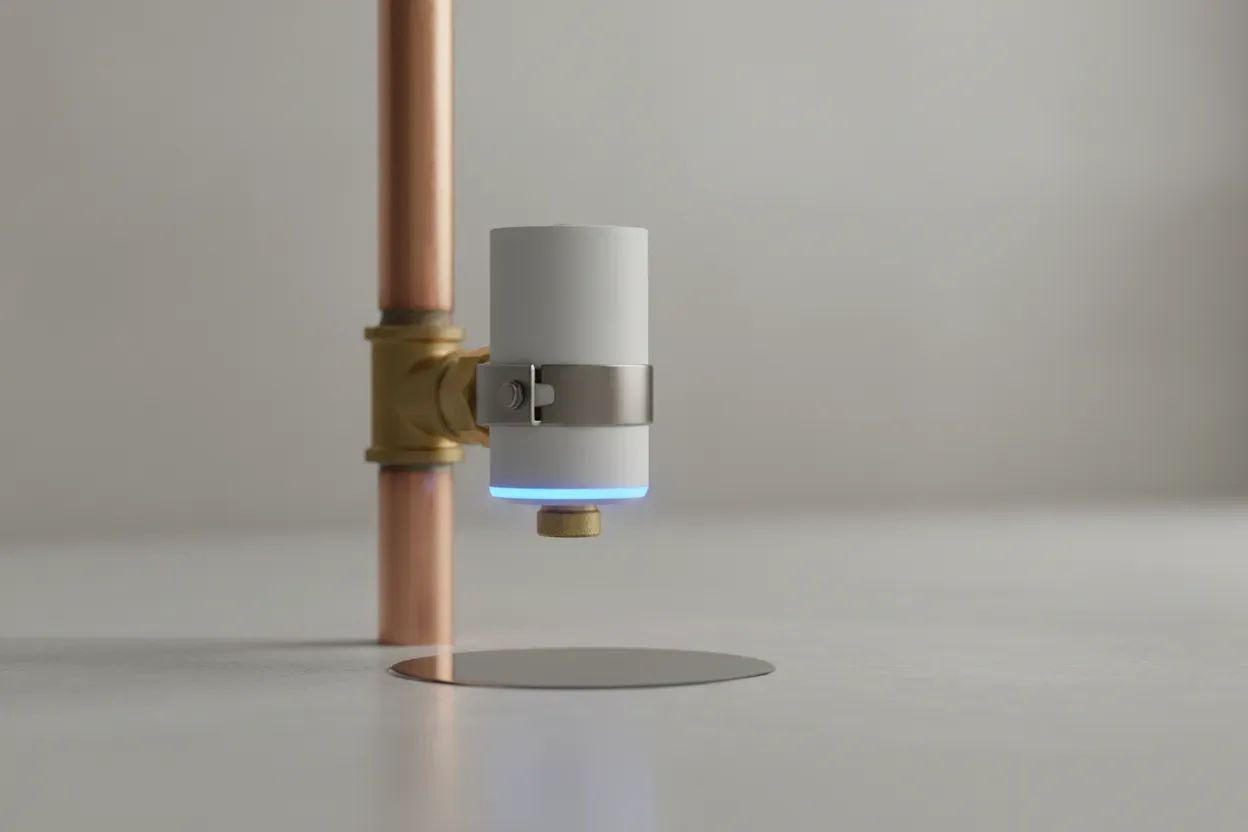
Blake DeWittCEO · InvestoradeA system for shutting off water in case of a leak should become standard in homeowners' insurance policies going forward. Such units are fitted to your main water line and halt water flow automatically once a leak is sensed. Water damage is the cause of almost 20% of homeowner claims. The typical claim is worth more than $11,000. Most leaks remain undetected for hours. However, this is a problem that can be prevented.
Prices for these systems range from $400 to $700. Comprehensive research suggests that they can decrease water damage claims by more than 90%. A few insurance companies even provide premium discounts from 5% to 15% for installing one. At Investorade, we think that making this a standard feature would help homeowners avoid disasters while at the same time helping insurers reduce their costs. It is a straightforward mutual benefit.
Provide Localized Emergency Resource Roadmaps
Jay EllenbyPresident · Safe HarborsMy decades of experience managing Duty of Care and global logistics for Safe Harbors have taught me that real-time risk intelligence is the difference between a minor incident and a total catastrophe. I believe future homeowners policies should mandate a "Resident Response Audit" that maps pre-vetted emergency resource centers and evacuation havens specific to the property's location.
This service would provide homeowners with a digital crisis itinerary--similar to the protocols we build for NGO travelers in remote locations--ensuring they have a reliable plan before power or internet infrastructure fails. We have used these localized resource maps to guide travelers to safety during sudden natural disasters when every second of navigation counts.
Standardizing this adds immense value by reducing potential personal injury and high-cost liability claims that arise from a lack of proactive preparation. It transforms insurance into a proactive partner that provides the same "peace of mind" and intelligent solutions we deliver to organizations operating in the most complex global environments.
Offer Annual Wildfire And Smoke Assessments
LARRY FOWLERPresident · USMililtary.comRunning USMilitary.com since 2007, I've watched thousands of veterans and active duty families navigate VA home loans, PCS moves, and tight budgets. That background gives me a clear view of what homeowners consistently overlook until it's too late.
The service I'd make standard is a **annual wildfire and smoke intrusion risk assessment**, tied directly to premium discounts. Not just for Western states either - smoke and ember damage now shows up in regions people never expected. Veterans using VA loans often buy in fast-growing suburban areas that sit right at the wildland-urban interface without realizing it.
I've seen military families who stretched to use their VA loan benefit - no down payment, no PMI - suddenly face uninsured smoke damage to HVAC systems and interior walls because their policy only covered fire that physically touched the structure. The smoke got in first.
If insurers built in proactive assessments covering roof ember vulnerability, attic venting, and HVAC intake placement, they'd catch the expensive claim before it happens. That's exactly the kind of early-intervention thinking that saves military families from financial hits they simply cannot absorb mid-PCS or post-transition.
Fund Pre-Disaster Utility Access Evaluations
 Jonathan DiesOwner · DFW RV Rentals
As owner of DFW RV Rentals, I work closely with insurance adjusters to provide immediate temporary housing for families displaced by fires, floods, and natural disasters. I have found that the greatest obstacle to a smooth transition is often the lack of accessible, functioning utility hookups on the policyholder's property.
I believe policies should include a standard **Pre-Disaster Utility Site Audit** to identify and prepare external power, water, and sewer access points. This service would ensure that a property is "plug-and-play" ready for a long-term travel trailer placement before an emergency occurs.
This adds value by allowing families to remain on-site to oversee restoration and stay in their communities instead of being relocated to distant hotels. For our clients recovering from home floods or major construction, having pre-verified connections means we can complete a full setup and walkthrough within 48 to 72 hours of approval.
Cover Eave Heat Cable Kits

With over 30 years serving Utah homeowners at M&M Gutters & Exteriors, I've seen how winter weather wrecks roofs, so I'd make roof heat cable installation standard in policies for snowy regions.
Ice dams form when snow melts and refreezes, pushing up shingles and letting water seep into attics-- we've installed these cables to target edges precisely, preventing that exact damage.
It adds value by avoiding full roof replacements from widespread leaks or rot, keeps families safer from falling icicles, and cuts energy costs since it heats only problem spots, not the whole roof.
Schedule Circuit And Panel Safety Reviews
 Daniel VasilevskiFounder · Bright Force Electrical
Electrical safety inspections should be standard in homeowner policies.
Most major electrical issues we see—overloaded circuits, faulty wiring, outdated switchboards—develop over time and go unnoticed until something fails or becomes dangerous.
A scheduled inspection every 1-2 years would catch these risks early. It's a low-cost preventive measure compared to the cost of fire damage, appliance loss, or emergency repairs.
From an insurer's perspective, it reduces high-risk claims. For homeowners, it provides clarity and peace of mind before problems escalate.
It shifts the focus from reactive claims to proactive risk reduction, which benefits both sides.
Certify Custom Metal Valleys And Aprons
 Tom GordonOwner · Twin Metals Roofing
I've spent nearly two decades running Twin Metals and Twin Roofing, where I've learned that a roof's longevity is determined by its transition points rather than the shingles themselves. My background in custom metal fabrication shows that these high-stress areas are where standard policies fail to mitigate risk.
Insurance should mandate a "Precision Flashing and Valley Certification" using custom-fabricated metal rather than standard off-the-shelf components. For a project in Wayland, we integrated GAF Camelot Shingles with custom copper valleys and flashings to ensure the home was truly watertight at its weakest points.
This service adds value by preventing the internal water damage and mold claims that occur when standard valleys or chimney flashings degrade prematurely. Shifting the standard to require high-performance metalwork ensures the roof is built for long-term accountability, not just a quick aesthetic fix.
Launch Annual Moisture Odor Mold Sweeps
 Victor CoppolaFounder & Principal · GreenWorks Environmental
As a Building Biologist with over 20 years tackling Moisture, Odor, and Mold (M.O.M.) issues in homes across New Jersey, I've seen preventable environmental failures lead to massive claims--making annual M.O.M. preventive inspections a must for future insurance policies.
This service would standardize checks on dehumidifiers, sump pumps, ventilation, humidity levels, odors, and microbial sampling, just like our MOM Service at GreenWorks.
It adds value by catching hidden issues early--like clogged gutters causing basement intrusion in older homes we've remediated--slashing mold remediation costs from $5-25/SF and avoiding health claims from biotoxin illness.
Insurers save on payouts; homeowners get "report cards" with fixes, preventing "tip of the iceberg" escalations we've resolved in Wall Township projects.
Implement Property Record And Valuation Tuneups
 Michael J. MacFarlaneReal Estate Broker · MacFarlane Realty Group
I'd make an annual insurer-paid property record and valuation audit standard in every homeowners policy. I've spent more than 30 years in Houston real estate, and one of the most preventable problems I see is owners carrying risk based on bad county records, outdated home details, or missed exemption paperwork.
At MacFarlane Realty Group, we regularly work with appraisal districts to correct incorrect property record information while protesting value, and that can lower the appraised value on a property. On the residential side, we also help owners catch missed homestead and over-65 exemption issues that can affect costs and create expensive surprises later.
The value is simple: fewer bad assumptions before there's ever a claim. If a home is recorded incorrectly, or key ownership and exemption details are off, that can ripple into taxes, coverage decisions, escrow planning, and resale headaches all at once.
A standard policy checkup that flags record errors, ownership changes, and missing exemption filings would be a real prevention service, not just paperwork. Homeowners would save money, avoid compliance issues, and make better decisions long before a problem turns into a financial hit.
Establish Exterior Integrity Assurance Plan
 Matt LopezOwner · Matt’s Exteriors
Having completed over 12,000 projects since 2007, I have found that the most costly insurance claims often start with moisture intrusion that is entirely preventable. I believe policies should include a standard "Exterior Integrity Audit" that verifies the installation of moisture-management components like drip edges and ridge vents.
Many jurisdictions do not require these parts by code, but they are critical for protecting roof decking and fascia from rot. For instance, we install drip edge on every project to ensure wind-driven rain doesn't bypass the shingles and destroy the structural wood underneath.
Standardizing manufacturer-certified systems, such as GAF Ridge Ventilation or James Hardie moisture barriers, shifts the policy focus from reactive repair to proactive protection. This adds value by preventing structural failures before they happen and significantly improving the home's energy efficiency.
Enforce Pre-Renovation Environmental Hazard Surveys
 Stephen WenzelCo-Owner · Banner Environmental Service
With 25 years of experience in environmental remediation and regulatory compliance across New England, I've seen how hidden hazards turn simple repairs into massive liabilities. My work at Banner Environmental focuses on navigating strict EPA and OSHA regulations to protect public health and property value.
Future homeowners policies should mandate professional pre-renovation environmental surveys, specifically utilizing moisture meter testing and air quality sampling. These surveys identify Asbestos-Containing Building Materials (ACBM) before they are disturbed, preventing the hazardous dust spread we managed during our Habitat for Humanity lead abatement project.
The value lies in preventing the exponential cost of secondary damage, such as the extensive mold remediation we performed at a religious facility in Easton. Identifying moisture sources or hazardous materials early avoids the high costs of emergency hazardous material disposal and protects occupants from hidden health risks.
Standardizing these assessments ensures that every renovation is compliant and "future-proofed" against structural failures. It shifts the industry from reactive cleanup to proactive risk management, ensuring properties are safe for re-occupancy before a crisis hits.
Attach Post-Loss Dampness Verification And Clearance

I'd make a covered **post-loss moisture verification and clearance testing** service standard in homeowners policies. I own Indoor Environmental Technologies, an independent mold, air, and water testing firm in Florida, and I've seen too many claims go sideways because everyone assumes "dry" means "safe to rebuild."
The value is simple: it keeps people from closing walls over damp materials and turning a water claim into a mold claim. A moisture assessment before rebuild, followed by independent clearance testing, gives the homeowner objective proof that drying was actually successful.
In one residential project, what started as a moisture concern turned into saturated subfloors and elevated mold risk inside wall cavities. We used targeted moisture testing and then post-remediation verification to confirm the home was back to normal healthy conditions before the family moved forward.
Same lesson at a much bigger scale: on a Gulf Coast condo project, unresolved moisture intrusion and humidity issues helped drive widespread contamination across common areas and multiple units. If policies routinely paid for independent verification, insurers would reduce disputes, homeowners would avoid costly rework, and everyone would be making decisions from measured conditions instead of guesswork.
Deploy Smart Garage And Gate Alerts
 Christian LewisAttorney · Hardy Wolf & Downing
As a trial attorney for nearly two decades and a former DOJ analyst, I specialize in investigating negligence and holding insurance companies accountable when they undervalue claims. My perspective is shaped by seeing how "unforeseen" accidents are almost always the result of ignored maintenance.
Homeowners policies should include a standard preventive service for **Chamberlain myQ Smart Garage and Gate Monitoring**. This technology provides real-time alerts for mechanical failures or unsecured entryways before they cause catastrophic injuries.
I successfully litigated a premises liability case where a broken garage door blew into a client's face, resulting in a $65,000 jury verdict. These sensors would have provided the objective data needed to prove the owners knew the door was faulty, preventing the insurer from denying the claim.
Standardizing smart monitoring shifts the focus from reactive litigation to proactive safety, much like how we advocate for documented winter hazard mitigation. It protects your financial stability by creating a digital paper trail that insurance adjusters cannot easily dispute.
Introduce Hardware MFA And Application Control

I guide clients through CMMC and SOC 2 compliance to secure sensitive data and prevent costly breaches through Zero Trust architectures. Homeowners insurance should standardize **Continuous Identity Protection**, specifically requiring hardware-backed Multi-Factor Authentication (MFA) via platforms like **DUO**.
Identity-based attacks now surpass traditional malware, making personal credentials the primary attack surface for modern homeowners. By mandating MFA for all personal cloud and financial systems, insurers can proactively stop credential theft before a claimant faces a total account takeover or private data leak.
In my work at Compliance Cybersecurity Solutions, we leverage tools like **ThreatLocker** to implement "application control," which stops unauthorized software from ever running. Standardizing these "deny-by-default" configurations would protect homeowners from the AI-driven phishing and automated malware attacks that define the current digital threat landscape.
This shift moves insurance from a reactive payout model to an active defense that prevents the high costs of identity restoration and financial fraud. Treating home digital security as an operational discipline ensures resilience and provides measurable financial savings by avoiding the penalties of a major breach.
Order Yearly Sewer Camera Root Inspections
 Josh KlimpPrincipal Owner · Retrofit Plumbing
I've spent 20+ years in plumbing, from service calls and leak detection to sewer work, remodels, and commercial TI projects, so I've seen what actually turns into expensive claims. If I could make one plumbing-related service standard in homeowners insurance, it would be a documented annual sewer camera inspection with root-intrusion screening.
A lot of major water damage doesn't start with a dramatic pipe burst. It starts with a slow sewer issue homeowners can't see--cracks, offsets, or roots getting into the line--then one day it backs up into the house and now you're dealing with flooring, drywall, cleanup, and displacement.
In our area, tree roots are a real problem, and I've seen properties where a simple de-rooting or early repair would have prevented a much bigger mess. We also use options like hydro jetting and, in the right case, pipe relining, which can solve the problem before it becomes a full excavation or recurring backup.
The value to the insurer and homeowner is that it catches hidden risk early and creates a clear maintenance record. That means fewer surprise losses, more targeted repairs, and a better shot at fixing the issue once instead of paying for repeated emergency damage.
Supply Permit And Upgrade Documentation Vaults

One preventive service that should be standard is a policy-provided home documentation and permit verification service that stores receipts, contractor details, permits, and dated photos in a secure, insurer-recognized vault. From my experience helping a family member who finished a basement without paperwork, having those documents on hand allowed an updated assessment once they were submitted. Making this service standard would reduce disputes over what counts as livable or insured improvements and make claims and appraisals easier to support. It also encourages homeowners to secure permits and keep records, which improves clarity for both the policyholder and the insurer.
Promote HVAC UV Light Installations
 Dustin CaisonOperations Manager · Southern Air
I've been in HVAC for over two decades, third generation in this industry, and I've watched indoor air quality silently destroy homes from the inside out. That gives me a pretty direct view of what's actually causing damage before anyone calls a contractor.
The one service I'd push to make standard in homeowners insurance is UV light system installation. We've installed these for customers and seen how bacteria, mold, and harmful microorganisms build up inside HVAC systems undetected -- then circulate through the entire home. By the time there's visible mold damage, the remediation cost dwarfs what a UV light would have cost.
One of our customers in Fleming Island had no idea her system was a breeding ground for mold spores until a routine checkup caught it. A UV light installation solved the root cause instead of just treating symptoms. That's the kind of intervention that prevents a future insurance claim, not just masks a current problem.
Insurance companies pay out on mold damage constantly, especially in humid climates like Northeast Florida. Incentivizing UV light installs at the policy level -- even through premium discounts -- would shift the model from reactive payouts to actual risk prevention. That's a win for the homeowner and the insurer.
Enact Sump Pump Recertification
 JD OsmanOwner · Quality Comfort Pros
Coming from 20+ years in marketing and sales, plus running an HVAC and plumbing company in Northern Michigan, I see the real-world cost gap between what insurance covers and what actually destroys homes. My answer: mandatory annual sump pump inspection and certification should be standard in every homeowners policy.
Here's why I feel strongly about this. Every spring, when Northern Michigan snowmelt starts pushing water toward foundations, we get frantic calls from homeowners whose sump pumps quietly failed over winter. By the time they notice, the basement is already flooded. Flooring, furniture, stored belongings, structural materials - all of it gone in hours. Insurance then covers the damage, but nobody covered the $150 inspection that would have caught the failing pump beforehand.
The value add is straightforward: insurers pay out massively on water damage claims. If they required and partially subsidized annual sump pump certification, they'd eliminate a huge percentage of those claims before they happen. Homeowners get a functioning system documented, insurers carry less risk, and service companies like mine can build a predictable maintenance relationship instead of responding to emergencies.
The deeper shift here isn't just about sump pumps specifically - it's about insurance moving from purely reactive to actively protective. Right now policies reward the disaster, not the prevention. Tie a small premium discount to documented annual certification and watch how fast homeowners start taking basement water management seriously.
Start Annual Digital Privacy Audits
 Scott BatesChief Technology Officer · Reputation Defense Networks
As CTO of Reputation Defense Network, with over a decade in cyber threat mitigation and internet privacy consulting for executives and brands, I've seen digital exposures turn into real-world crises.
One standard service should be annual digital privacy audits--scanning and suppressing exposed home addresses, floorplans, or security details from revenge sites, complaint boards, and fake profiles.
We've used our global legal network and 27-point removal audit to permanently delete such content for clients, preventing doxxing that escalates to vandalism or targeted break-ins covered under homeowners policies.
This adds value by slashing liability claims from harassment-driven damage, while insurers gain documented proof of prevention for lower premiums--turning proactive defense into measurable risk reduction.
Create Hazard Records And Remediation Program
 Pride DoranManaging Partner · Doran & Cawthorne
I've spent more than twenty years trying injury cases involving premises hazards, defective products, and disputes with insurers, so I look at this from the "what actually prevents claims and lawsuits" side. One service I'd make standard in homeowners policies is a built-in home hazard documentation and response program for things that injure people on the property.
That means the policy includes a simple way to identify, record, and fix common liability risks like slip hazards, broken steps, pool dangers, poor lighting, loose railings, or conditions that can attract and injure children. In my world, those are the facts that end up deciding premises liability cases, and they're often ignored until after someone gets hurt.
The value is practical: it helps homeowners prevent injuries before they become lawsuits, and it creates a clear record that a hazard was addressed. I've handled claims involving slip and falls, swimming pool accidents, and attractive nuisance issues, and a lot of pain, cost, and conflict could have been avoided if the dangerous condition had been documented and corrected early.
Reddit version: don't just insure the house, help the owner avoid becoming the defendant. A policy that helps people spot and fix liability hazards protects the family, protects guests, and puts the homeowner in a much stronger position if there's ever a dispute.