



2 practitioners on the record
Centralize Modular Document Updates
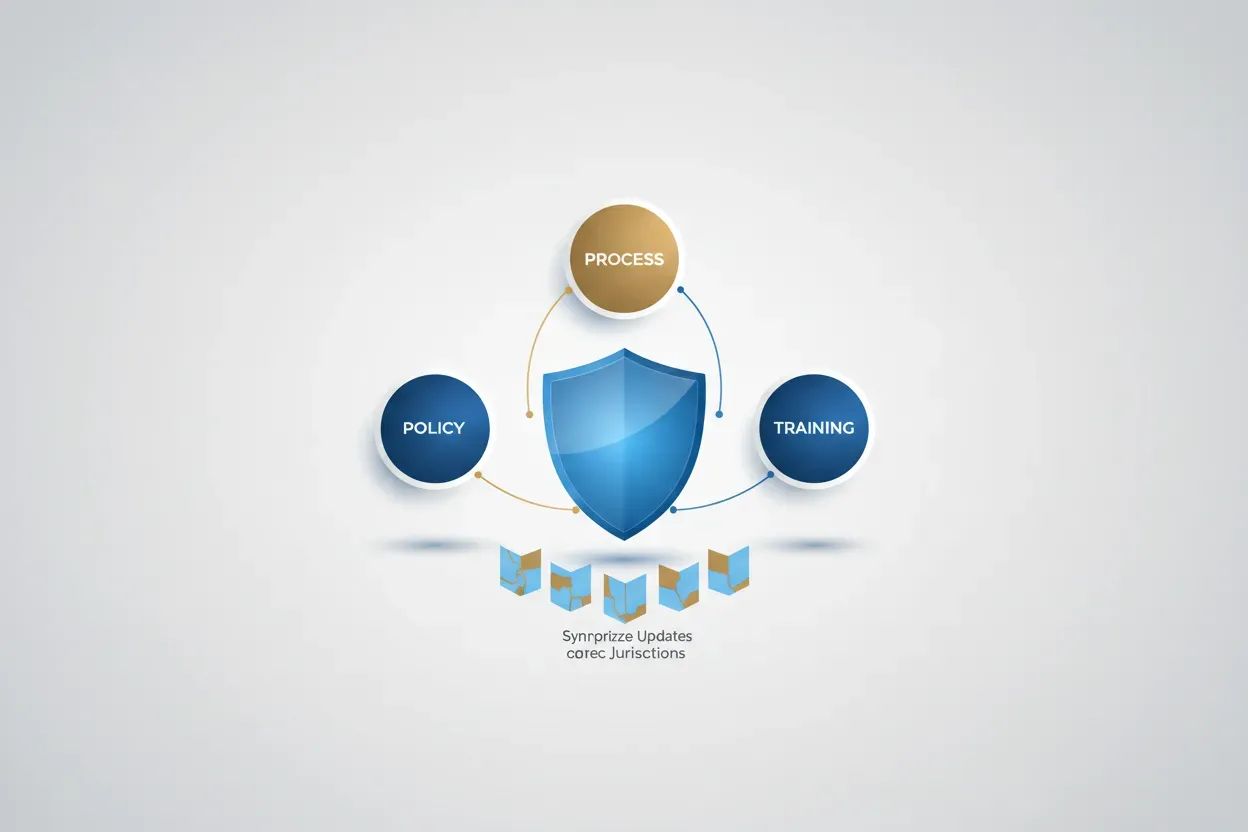
Bharat SharmaDelivery Manager, Enterprise CX Solutions · eSignlyNavigating regulatory changes across various regions successfully requires treating compliance as modular architecture instead of a simple checklist. When companies omit the regional legal language from their processes, they can change certain sections or requirements without forcing their sales and/or service teams to learn a whole new process. I've noticed that organizations that thrive use unified digital document workflows that abstract the compliance logic. This means when a specific region changes its requirements, the amendment goes through a central library of templates that alters every corresponding workflow and ensures that customer-facing staff have no chance to employ a document that is outdated or not compliant with regulations.
One specific mechanism that ensures that amendments come in on time is the Agreement Architecture Sync, which is a continuously occurring cross-functional meeting involving legal experts, operations leaders, and tech teams to audit the digital logic of the active policies. In other words, instead of just sending a memo regarding new legislation to legal experts, this team collaboratively works on the metadata inside the document automation solution. As a result, the organization tests the new compliance rules in the sandbox environment before putting them into effect and avoids issues that occur when a change destroys the old workflow or causes a validation error during the sale.
The essence of the idea is that compliance should not be visible to the users. When you build a good playbook with rules of document modularity, you shift the task of learning about the region's rules from a single agent to the system architecture. This saves the customer experience because employees can concentrate on building relationships with customers while the existing architecture does everything necessary.
Track Rules Through Onboarding Cycles
Cristina AmyotPresident · EnformHRIn my work with over 400 clients spanning multiple states, I maintain a live file on each one that tracks headcount by location so we know exactly which federal and state rules apply at any moment. This setup lets us flag changes early and roll them into policies without guesswork.
Our rhythm starts with pulling the updated requirements, rewriting the relevant handbook sections in plain language, and then running short interactive training sessions for managers that tie directly to real scenarios they handle daily. We schedule these in small increments so operations keep moving.
One case involved a finance client growing into new regions where we updated leave and wage policies, ran targeted manager sessions on the interactive process, and had every employee sign the revised handbook to lock in understanding. The changes landed on schedule because we handled the updates through existing onboarding cycles rather than separate projects.
This keeps sales and service teams focused on clients while compliance stays current.
Scan Regulatory Horizons Early
Insurance operations should watch for proposed rules long before they become mandatory. A dedicated regulatory scanning process can track new laws, regulator notices, and industry guidance. The team should translate each update into clear business impacts as soon as it appears.
Early notice gives policy, claims, data, and technology teams more time to prepare. Build a strong horizon-scanning process today.
Prioritize Changes by Risk Exposure
Insurance teams should assess each new rule based on customer harm, legal exposure, financial impact, and operational effort. This approach helps leaders focus first on changes that create the greatest risk if missed. High-risk requirements may need faster funding, stronger controls, and closer leadership attention.
Lower-risk work can follow a planned schedule without taking resources from critical tasks. Use risk assessments to focus effort where it matters most.
Assign One Owner and Enforce Deadlines
Every regulatory change needs one clearly named owner who is accountable for delivery. That owner should have the authority to bring together the right business and technology teams. The delivery date must be treated as a firm business commitment, not a flexible target.
Regular progress reviews help expose blocked work before it threatens the deadline. Assign accountable owners and set firm dates now.
Convene Stakeholders at First Notice
Early coordination reduces delays caused by missing data, unclear duties, or system limits. Insurers, service providers, software vendors, and regulators may all affect how a rule is put into practice. Shared discussions should clarify what must change, who will do the work, and when each part is due.
Open communication also helps resolve different interpretations before work is too far along. Start stakeholder discussions as soon as a change is identified.
Test Controls Before Each Launch
Independent testing should confirm that new regulatory controls work before the launch date. Testers can review system settings, customer letters, claims steps, records, and staff guidance. Their findings provide an unbiased view of whether the operation meets the new rule.
Any gaps should be fixed, retested, and approved before the change goes live. Schedule independent readiness testing before every regulatory launch.