


 LM
LM JE
JE VB
VB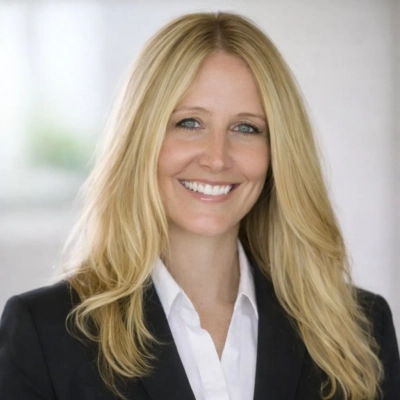 RG
RG
5 practitioners on the record
Own the Research Phase to Build Trust
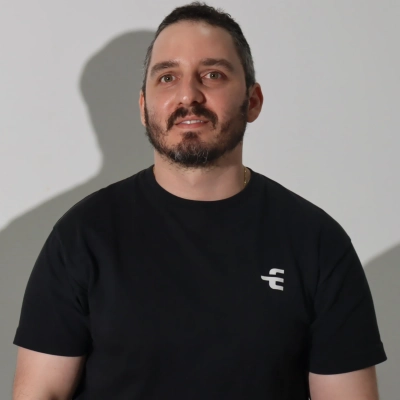
Louis DucruetFounder and CEO, EpreztoThe trend transforming insurance most significantly is consumers expecting to research and compare insurance products independently online before ever speaking to a broker.
This sounds obvious in 2026 but in many markets, including Panama where Eprezto operates, the industry still functions as if customers need a broker to explain everything. Traditional companies assume people will call, ask questions, and rely on an agent to guide their decision. That assumption is increasingly wrong.
What we observed at Eprezto is that customers arrive having already done extensive research. They have read articles, compared options, and formed opinions before they contact us. The role of the insurance provider has shifted from educator and gatekeeper to trusted validator. Customers do not want to be told what to buy. They want confirmation that the decision they have already made is the right one.
This trend completely reshaped our business strategy. Instead of investing in sales teams that educate from scratch, we invested in content that supports the self-directed research journey. We built the most comprehensive insurance education platform in our market so that when customers research independently, they find us. By the time they reach out, trust is already established through the content they consumed.
The impact on customer relationships has been profound. Conversations are shorter, conversion rates are higher, and customer satisfaction is stronger because people feel empowered rather than dependent. They chose us based on their own research, not because a salesperson convinced them.
My advice to insurance companies still operating on the old model: your customers are already researching without you. The question is whether they find your content or your competitor's. The companies that own the research phase will own the customer relationship.
Adopt AI to Elevate Personal Service
Lauren McKenzieInsurance Agent/Content Creator, A Plus InsuranceOne trend that is significantly changing the insurance industry is the use of AI. Insurance companies are using Artificial intelligence in everyday tasks such as customer service, marketing, internal workflows and improving their quoting processes.
Our agency has started to integrate AI into our office communications, social media scheduling and content creating, tracking our google reviews and helping to automate routine admin tasks. This allows our team to spend more time focusing on personalized customer service and relationship building, as well as other projects that come up. We still like to give our customers a personal feel, so we are not automating how they get their insurance products, just daily tasks to help free up our Agents and customer service representatives.
Coach Homeowners for Aerial Risk Checks
John EspenschiedAgency Principal, Insurance Brokers GroupOne big shift is how insurance companies are quietly using AI to "drive by" people's homes without ever leaving a desk. They are scanning roofs and yards for risk on both new and existing customers before renewal.
Instead of waiting for a human inspector, carriers now review aerial images and street photos to look for worn roofs, overhanging trees, dead branches, thick shrubs against the house, and junk in the yard that could turn into a claim risk. If the system does not like what it sees, you may get a surprise: a rate hike, required repairs, or even a non-renewal letter.
On my side, that trend changed how I talk to clients. I now tell homeowners, "Assume someone is checking your roof and yard from the sky every year." We coach them to trim trees, clear brush, and stay ahead of roof issues before the company's AI flags it. That way, they are not shocked when the renewal comes in, and we have a better chance to keep good coverage in place.
Use Utilization Data to Optimize Benefits
Vicki BrownCertified Corporate Wellness Specialist | SHRM Mental Health Ally | Corporate Wellness Strategist, JS Benefits GroupOne trend I have observed is the shift toward data-driven benefit design, using plan utilization analytics to guide decisions. As Corporate Wellness Strategist at JS Benefits Group, I applied this trend when our benefits budget tightened by analyzing utilization and employee feedback to identify underused benefits. That analysis led us to prioritize cost-effective wellness programs such as virtual fitness classes, mental health resources, and preventive health initiatives. Strategically, this approach let us manage costs while preserving benefits employees value, and it strengthened customer relationships by making adjustments that reflected actual needs.
Prove Outcomes to Thrive in Value-Based Care
Rina GutierrezMarketing Coordinator, MacPherson's Medical SuppyOne major trend I've watched transform the insurance industry at MacPherson's Medical Supply is the shift toward value-based care models. Insurers aren't simply processing claims anymore; they're actively tracking patient outcomes and tying reimbursement to long-term health metrics. This has fundamentally changed how we operate at macmedsupply.com.
Five years ago, our business model was straightforward: process orders, verify insurance, ship products. Today, we've evolved into care partners. We've implemented comprehensive outcomes tracking systems for our DME products. When we supply a CPAP machine, for instance, we now include compliance monitoring and follow-up services that demonstrate patient adherence and reduced complications to insurers.
Our customer relationships have deepened substantially. We've hired respiratory therapists and patient education specialists who conduct virtual training sessions with patients. This additional support has decreased our return rates by about 30%, which is something both our customers and their insurance companies appreciate.
From a strategy perspective, we've invested heavily in data analytics to prove that our premium products, while sometimes more expensive upfront, save money over time. We've documented cases where our higher-quality mobility aids reduced hospital readmissions compared to cheaper alternatives.
The prior authorization process has become more complex, but we've turned this challenge into an opportunity. Our dedicated insurance liaison team navigates the paperwork efficiently, and many insurers now expedite our requests because they recognize our thoroughness.
I believe value-based care will continue to intensify. We're already exploring how remote monitoring technology can further demonstrate our value proposition. At MacPherson's, we've realized we can't just sell medical supplies anymore, we need to prove we're contributing to better health outcomes while controlling costs.